WHATSAPP: +86 13544137314
ELUFA MFG
Precision Parts Manufacturing in Shenzhen, Guangdong, China
BLOG ARTICLE · OEM MANUFACTURING
Why this RFQ matters
A practical guide to OEM manufacturing RFQ details that help buyers align DFM, volume, inspection, and launch planning before release.
Related service: Services Overview | Contact / RFQ
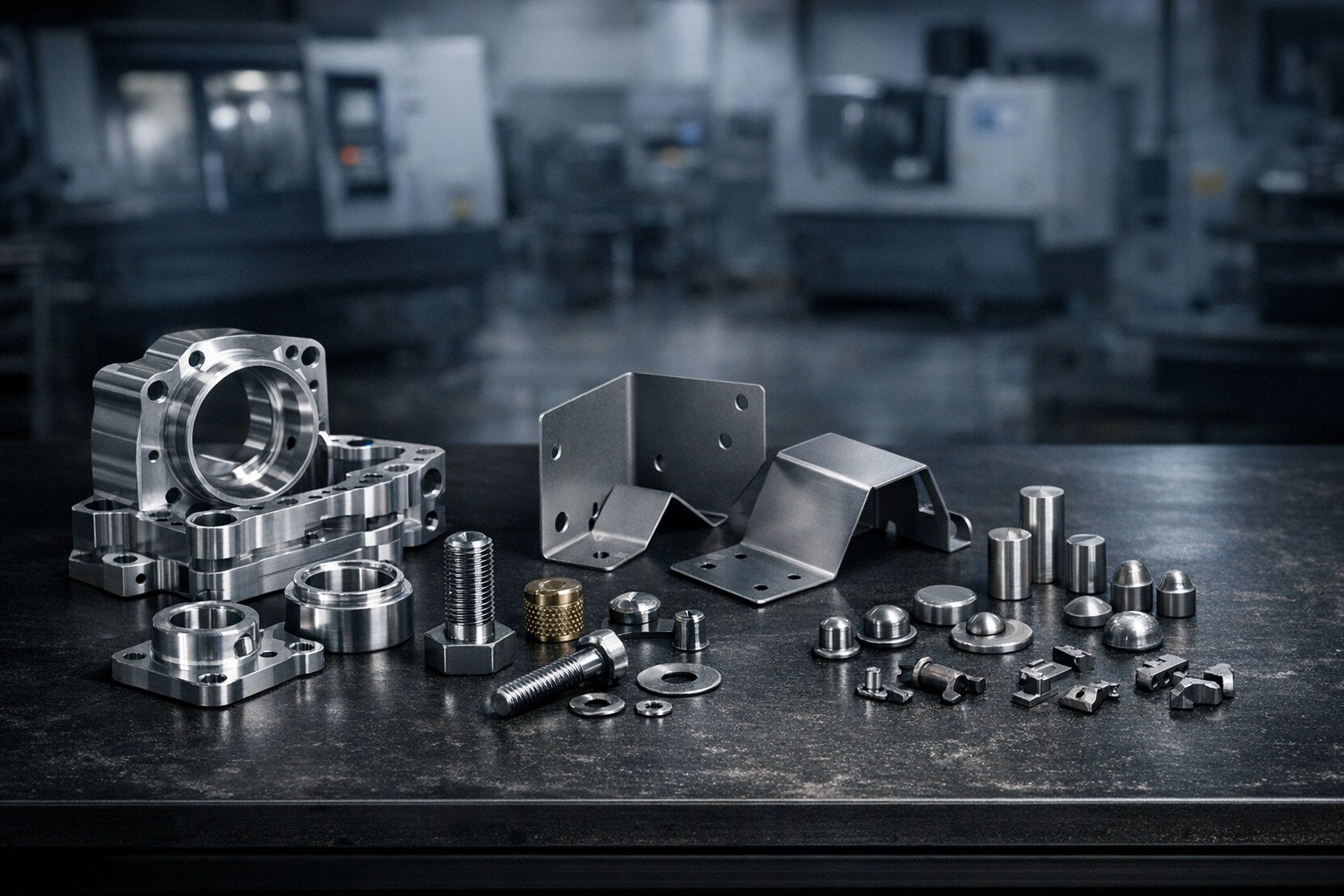
An OEM manufacturing RFQ is broader than a single-process quote request. The package may end up covering CNC machining, sheet metal fabrication, cold heading, custom fasteners, metal injection molding, or a mix of those routes depending on part geometry and volume.
The RFQ works best when it tells the supplier what the part must do, what can still move, and how the launch will be judged. If you need a broader production comparison first, review the full manufacturing services overview before sending drawings.
What to include in the OEM RFQ
A complete OEM RFQ reduces assumptions early. That gives the supplier a better basis for process fit, cost, and lead time.
- Current drawing revision and any controlled dimensions
- 3D model or assembly view when fit and stack-up matter
- Material target, finish requirement, and any coating notes
- Prototype, pilot, and production quantity split
- Critical features that affect function, fit, or serviceability
- Inspection method if gauge, fixture, or CMM control matters
- DFM questions the supplier should answer before release
- Contact person for technical follow-up during quoting
Separate design intent from process choice
OEM buyers often know the end use but not the best route to make the part. The RFQ should protect the design intent while leaving room for the supplier to suggest a practical route.
DFM notes that help quoting
Explain which surfaces are functional, which dimensions are truly critical, and where the part can tolerate a process alternate without changing the assembly outcome.
Where process alternates are acceptable
State whether the supplier may suggest machining, forming, heading, molding, or secondary machining if it improves cost or repeatability without hurting function.
What to say about finish and inspection
Call out cosmetic, coating, or traceability requirements separately so finish control does not get mixed into the geometry discussion.
Plan volume and launch timing early
Volume assumptions shape tooling, setup, inspection, and packaging. The RFQ should show where the program is going, not just the first order.
Prototype release
Prototype quantities should make it clear that the supplier may need flexibility on setup, lead time, and validation feedback before full release.
Pilot lot
Pilot quantities help define first-article intent, sampling depth, and whether the supplier must prove process stability before production.
Production forecast
Production forecasts help the supplier judge whether tooling, fixtures, or more controlled inspection methods are justified.
Common OEM RFQ mistakes that slow down quoting
- Sending isolated part files without the assembly context
- Leaving the real end use vague and expecting the supplier to infer it
- Mixing cosmetic preferences with functional acceptance criteria
- Skipping prototype, pilot, and production quantity splits
- Not saying whether process alternates are allowed
- Forgetting to name the technical contact for questions during quoting
Checklist before you release the RFQ
- Drawing revision, model, and quantity plan are current
- Critical features are identified by function, not just dimension
- Finish, coating, and packaging expectations are written down
- DFM questions and process alternates are addressed
- Inspection method and sample expectations are stated
- A contact is available for quick technical clarification
FAQ
What makes an OEM RFQ different from a normal quote request?
An OEM RFQ should describe the part as part of a production system, not just as a standalone shape. That means function, launch timing, and repeatability matter as much as price.
Should I force the supplier into one process family?
Usually no. A stronger RFQ allows the supplier to recommend the route that best fits geometry, volume, and inspection requirements.
Do I need to define DFM questions in the RFQ?
Yes. If the supplier is expected to review the part for manufacturability, say which decisions are open and which are locked down before release.
Need an OEM RFQ Review?
ELUFA MFG can review your drawing package, flag missing DFM details, and help you move from a broad concept to a controlled release plan. Use the contact page to start the discussion.