ELUFA MFG

Metal Injection Molding

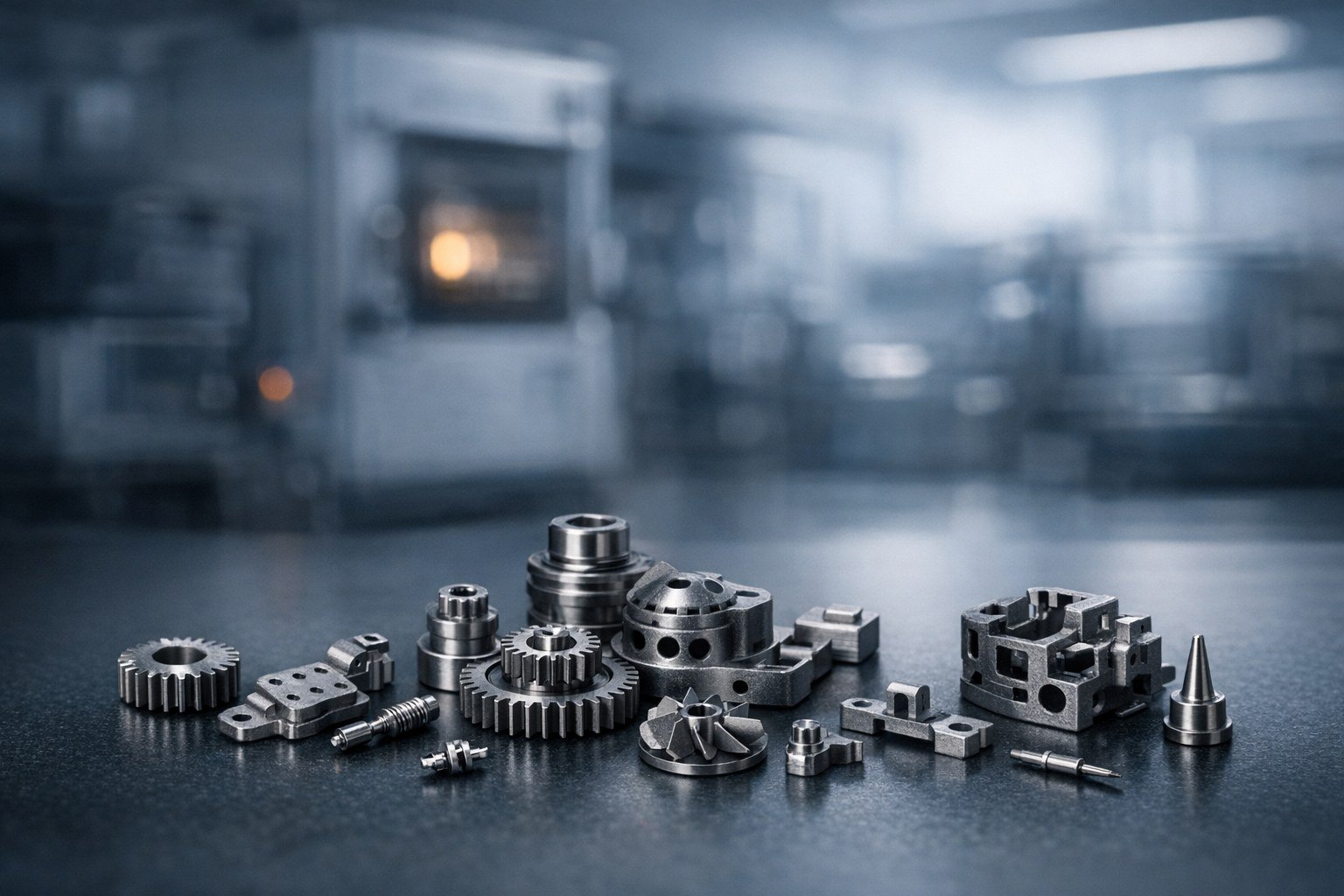
Metal Injection Molding for Complex Small Components

A practical route for small metal parts with dense geometry when conventional machining is too expensive and volume is high enough to support tooling logic.

Metal Injection Molding for Complex Small Components

Workflow

Tooling, molding, sintering, finish

Program fit

Complex small parts with scale potential

Review focus

Feasibility, shrink, secondary ops

Metal Injection Molding

Where MIM Works Best

MIM is strongest when a part is compact, geometrically complex, and likely to move into a repeat production profile where tooling investment makes sense. It is especially useful when the design would be inefficient to machine from solid stock but still needs metal performance.

  • Small components with intricate detail or dense feature combinations
  • Programs that are expected to scale beyond initial sample quantities
  • Parts where near-net-shape output reduces waste and secondary machining load
  • Applications that still require a controlled review of critical dimensions and finish needs

Program fit

This page is built to explain where the process belongs, what risks should be screened early, and how ELUFA approaches technical review before release.

Metal Injection Molding

MIM Program Focus

Feasibility Review

Check geometry, tolerance realism, and annual demand before tooling decisions.
Tooling Strategy

Build the molding plan around high-risk features and expected shrink behavior.

Process Chain Control

Coordinate molding, debinding, sintering, and inspection as one release path.

Secondary Finishing

Add machining or finishing only where the design truly needs extra precision or surface control.

Process review

How We Reduce MIM Risk

MIM performs well when the design is screened honestly. Parts fail when unrealistic tolerance assumptions, wall transitions, or under-defined finishing needs reach tooling without a proper feasibility gate. We address those points before release.

Review goal

  • Screen geometry and shrink-sensitive features before tooling commitment
  • Identify which dimensions are truly critical and which can follow process capability
  • Plan secondary finishing only on the interfaces that need it
  • Tie sample validation to both dimensional and functional expectations

The objective is not to make the page sound technical. The objective is to make the RFQ and sample path more predictable.

Metal Injection Molding

MIM Program Workflow

Step 01

Feasibility gate

Review geometry, tolerance demands, and program scale assumptions.

Step 02

Tooling + trials

Develop tooling and confirm early molding and sintering behavior.

Step 03

Sample approval

Validate samples against drawing-critical features and functional criteria.

Step 04

Production scale-up

Move into controlled recurring supply with checkpoint discipline.

FAQ

Metal Injection Molding FAQ

Can MIM replace machining for every small part?

No. It is most effective when geometry complexity and production scale align with MIM economics.

How are critical dimensions handled?

They are identified during review, then checked through sampling and, when needed, limited secondary finishing.

What should be submitted for review?

A 3D model, 2D drawing, key functional notes, and an annual demand estimate are the best starting point.

Considering MIM for a Small Complex Part?

Send the files and expected volume range. We will evaluate whether MIM is the right route before tooling decisions are made.

Request MIM Review