WHATSAPP: +86 13544137314
ELUFA MFG Blog
Engineering articles for manufacturing teams
BLOG ARTICLE · CUSTOM FASTENERS
How to Specify Custom Fasteners for Reliable Production Launches
A practical engineering guide to defining thread systems, materials, head styles, coatings, and validation checkpoints for custom fastener programs.
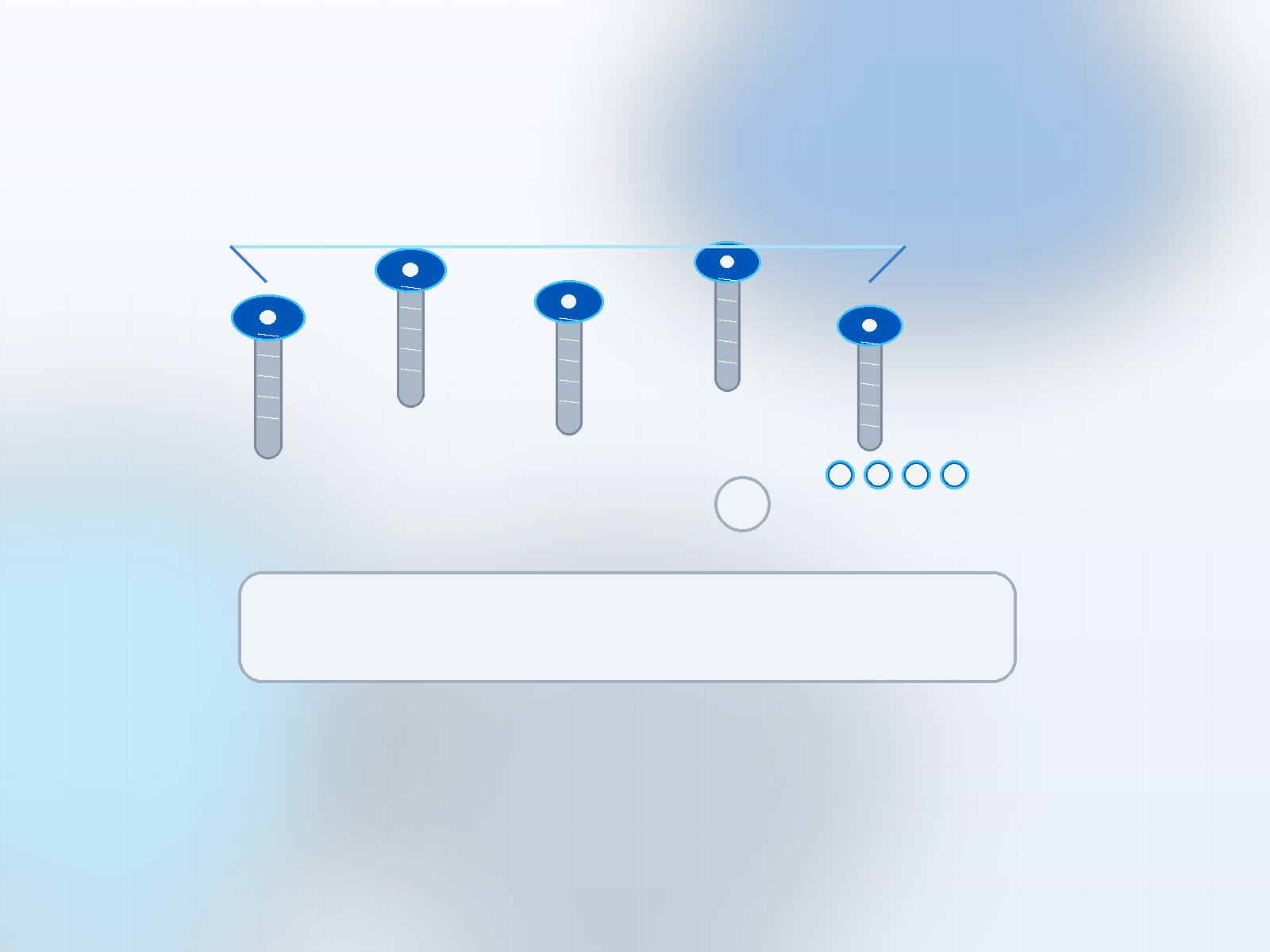
Custom fasteners are often introduced when a standard catalog part can no longer support the geometry, assembly access, corrosion resistance, load path, or branding requirements of a product. That decision is usually correct, but many projects lose time because the fastener specification is incomplete at the RFQ stage.
For OEM teams working on industrial hardware, electronics, housings, and mechanical assemblies, the most effective way to reduce risk is to treat the custom fastener as a functional component instead of a purchasing afterthought. A supplier can only quote and plan correctly when the design intent is made explicit.
When a Custom Fastener Is the Right Choice
Custom fasteners make sense when the fastening point must solve more than one problem at once. That may include unusual head geometry for limited tool access, a non-standard shank transition, a thread adapted for soft mating material, or a coating stack built around corrosion and cosmetics together.
- Assembly spaces that cannot be served by standard head or drive configurations
- Branding, anti-tamper, or user-serviceability requirements
- Specific corrosion performance targets that need coordinated base material and finish decisions
- Weight, strength, or appearance constraints that rule out off-the-shelf hardware
- Programs that need stable repeat supply under a controlled drawing revision
Start with Function, Not Just Geometry
- What load or retention function the fastener supports
- Which surfaces are functional and which are cosmetic
- Whether the part is single-use, serviceable, or repeatedly installed
- Which mating materials and tightening tools will be used in production
- Whether torque, prevailing torque, or pull-out behaviour is part of acceptance
Thread System and Fit Must Be Explicit
A complete thread definition should include the thread standard, tolerance class, effective threaded length, lead-in expectations, and any functional gauge requirement. If the fastener will engage aluminium, plastic, or thin sheet inserts, that should also be stated early because it changes what acceptable fit means.
Material and Coating Decisions Need to Be Matched
- Is the main requirement corrosion resistance, strength, conductivity, appearance, or cost balance?
- Will the fastener operate in humid, salted, chemical, or outdoor conditions?
- Does the finish need to support cosmetic consistency across visible hardware?
- Is there a risk of hydrogen embrittlement, galling, or galvanic interaction in the assembly?
Head Style and Drive Design Affect Assembly Yield
- Tool access angle and available driver envelope
- Required torque level versus available drive engagement depth
- Head bearing area relative to the clamped material
- Cosmetic flushness or recess depth on visible surfaces
- Whether anti-slip, anti-tamper, or service limitation is part of the requirement
Production Route Matters to Cost and Consistency
- Whether the base form is suitable for heading efficiency
- Which dimensions truly require machining-level control
- Whether threads are better rolled or cut for the application
- How finish and heat treatment interact with dimensional risk
- Where secondary operations are worth the cost and where they are not
Validation Should Be Defined Before Samples Are Ordered
- Drawing-critical dimensions and how they will be checked
- Thread verification method and gauge criteria
- Assembly trial conditions with mating parts
- Appearance standard for visible hardware
- Required reports or retained samples before production release
RFQ Checklist for a Better Custom Fastener Quote
- 2D drawing with clear critical dimensions and tolerances
- 3D model if geometry is complex
- Thread standard, class, and mating condition
- Base material target and finish expectation
- Estimated annual volume and lot size logic
- Sample quantity and validation timeline
- Assembly context, especially for visible or service-critical hardware
Need Review Support for a Custom Fastener Program?
ELUFA MFG supports custom fastener projects with drawing review, process planning, and prototype-to-production coordination. Send your files if you want a structured engineering review.
ELUFA MFG
Shenzhen, Guangdong, China
Email: victorchu1223@gmail.com
Business Hours: Monday to Saturday, UTC+8
Manufacturing Services
Quick Links
Home
Contact / RFQ
Prototype + Production Support
Engineering DFM Review
Quality Documentation on Request
© ELUFA MFG. All rights reserved.