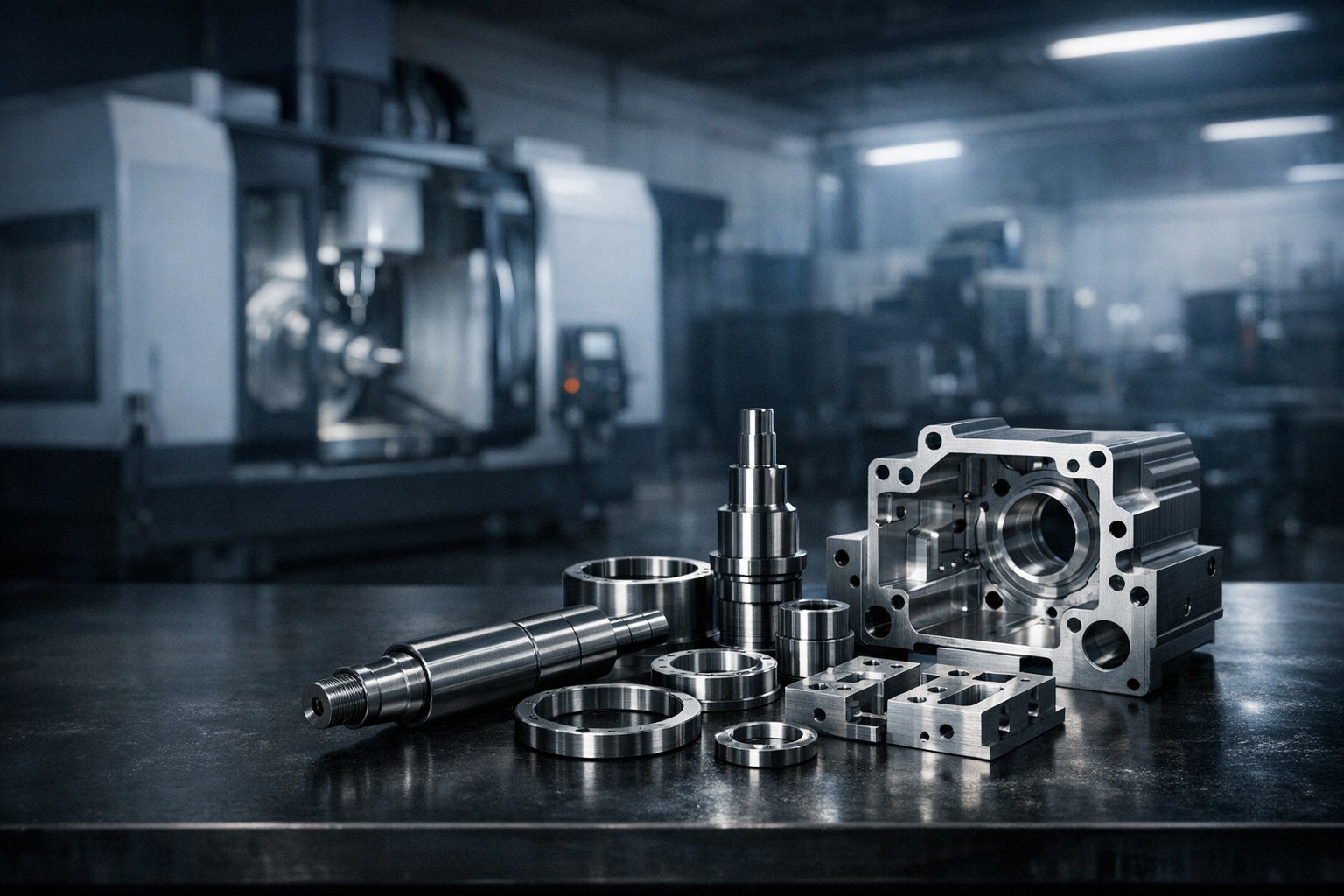
Precision machining
CNC Machining
Use CNC when geometry flexibility, controlled datums, and revision responsiveness are the priority.
- Milling + turning workflows
- Prototype, pilot, and repeat supply
- Critical-dimension inspection focus
Manufacturing Process Comparison
The services page now works like a capabilities catalog. Each process has its own role, its own visual cue, and its own explanation of where it fits in product development and production planning.
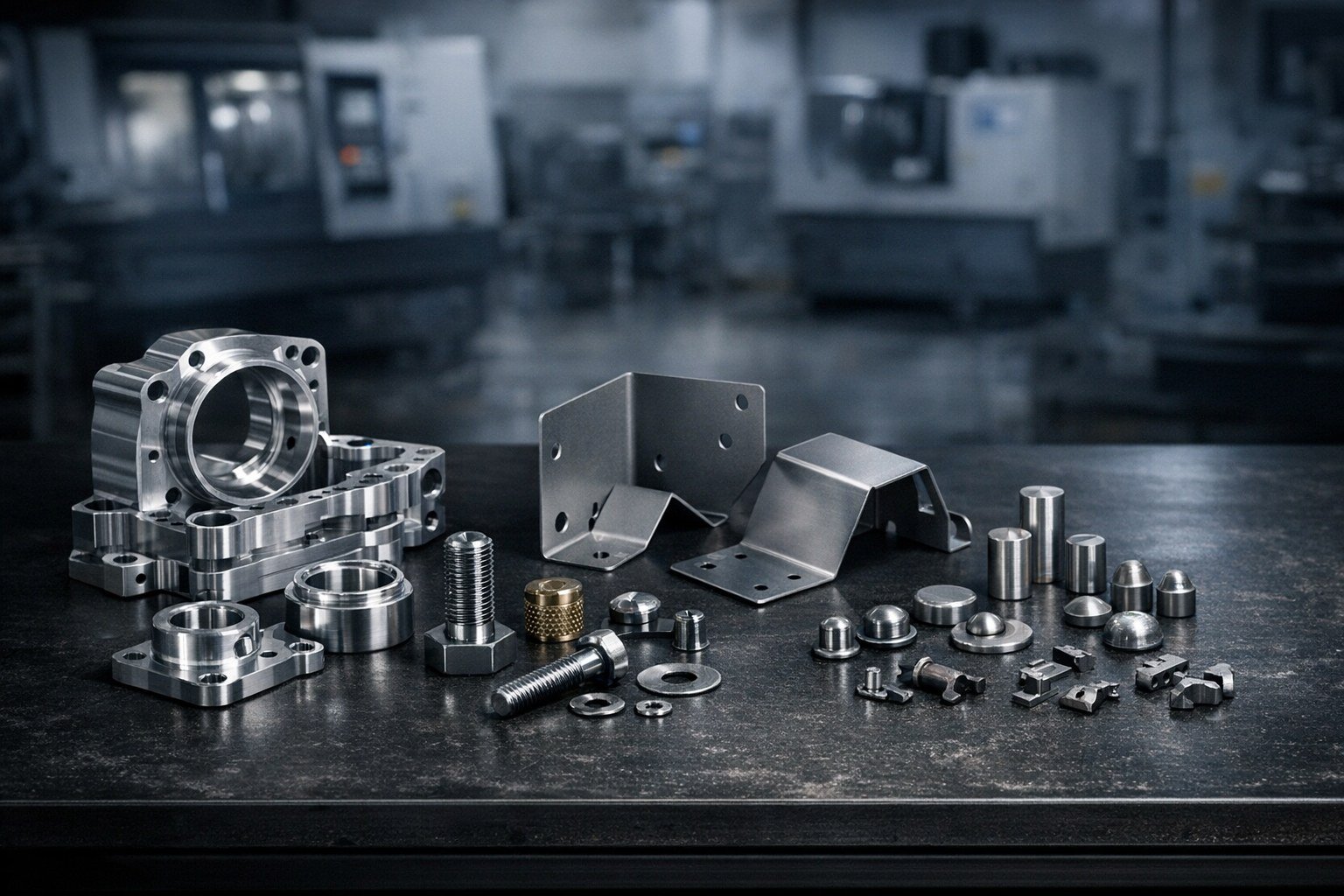
Coverage
CNC, sheet metal, heading, fasteners, MIM
Use case
Part-route comparison before RFQ
Output
Clearer process selection and service depth
Capabilities
The point of this page is not to list isolated capabilities. It is to help you compare the right route for the part, the annual demand, the tolerance load, and the commercial objective before you release an RFQ.
Precision machining
Use CNC when geometry flexibility, controlled datums, and revision responsiveness are the priority.
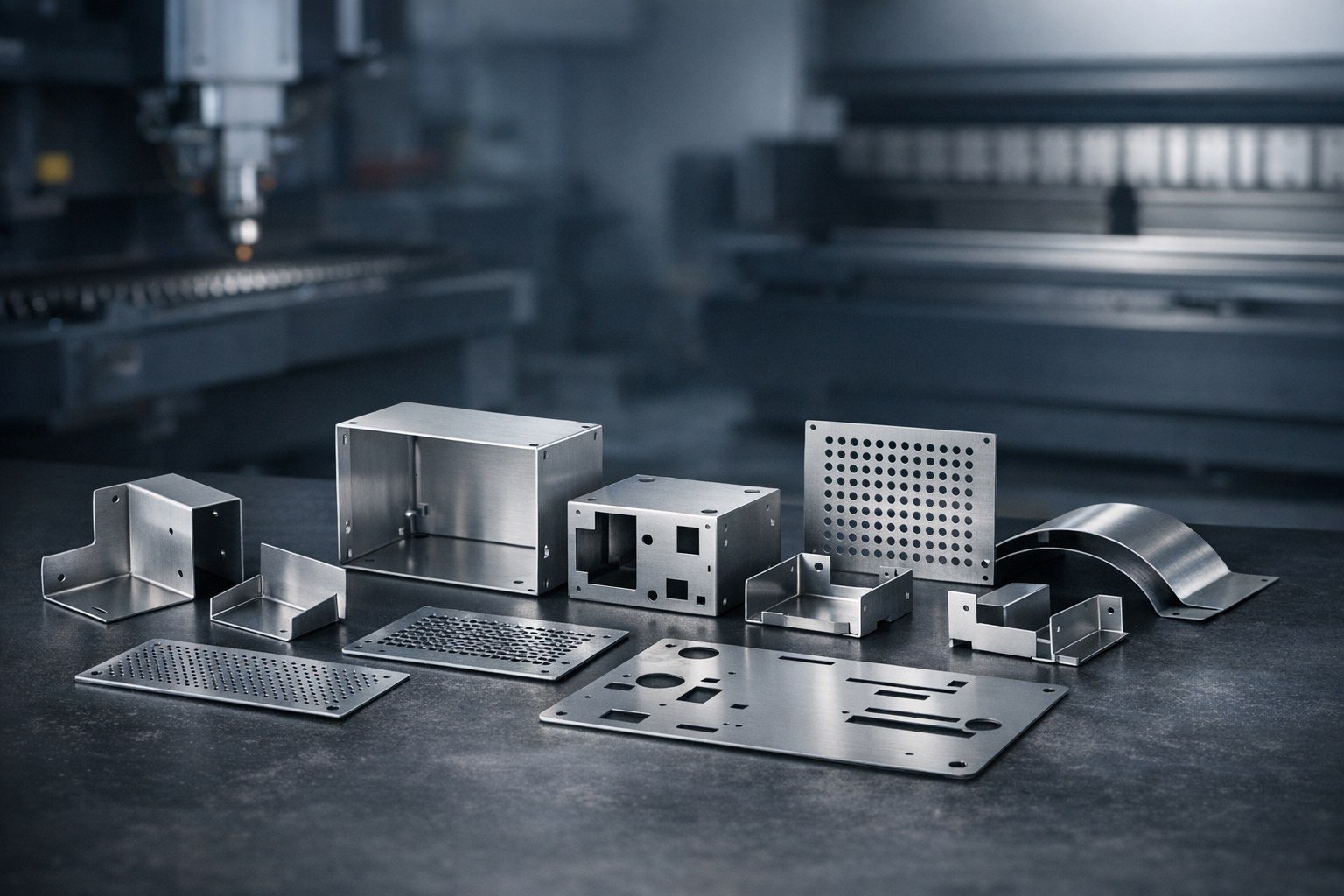
Fabricated metalwork
Use sheet metal when the design begins as flat stock and gains value through cut, bend, and assembly integration.
Volume hardware route
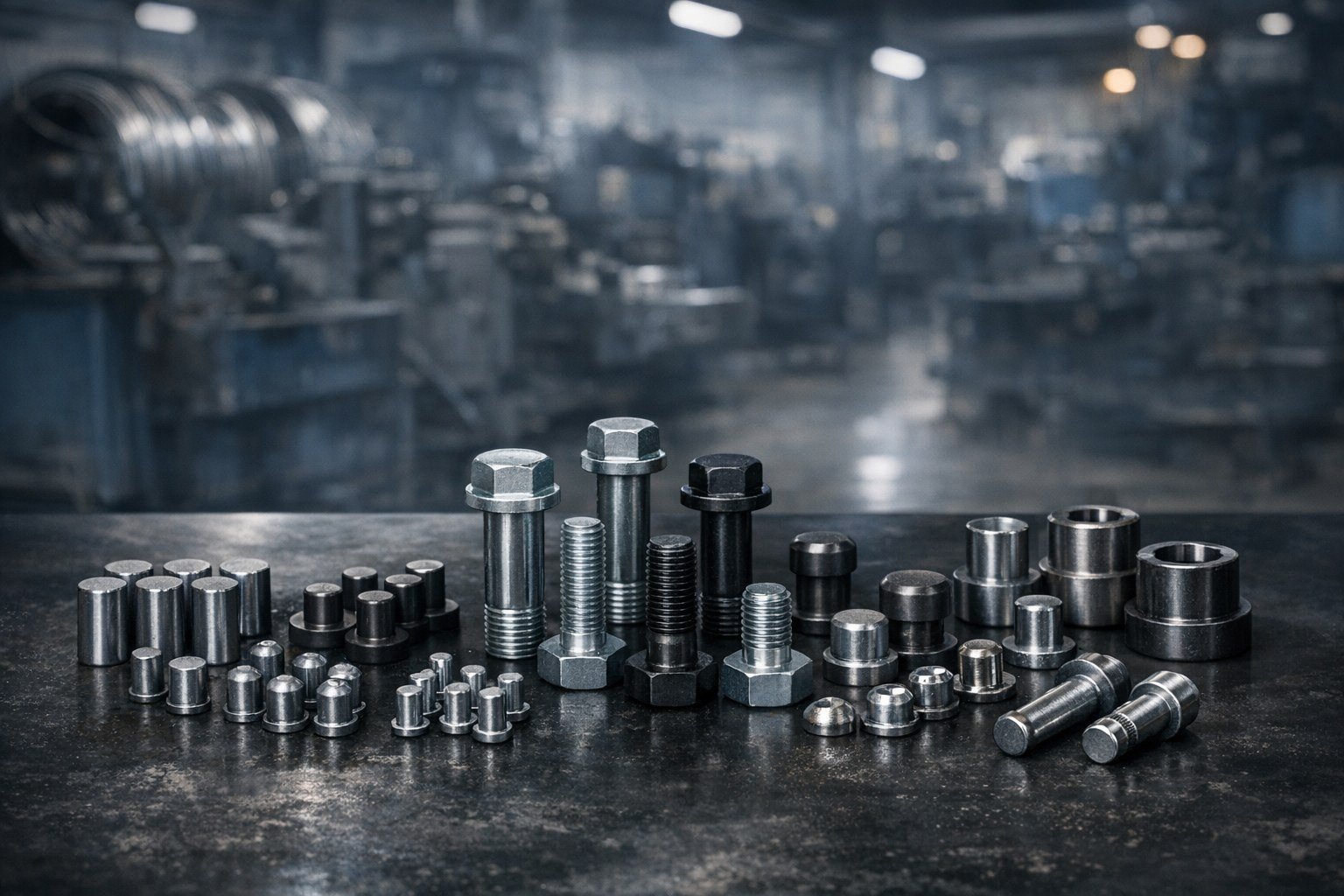
Use cold heading when stable annual demand and suitable geometry make forming efficiency more attractive than machining-only supply.
Assembly-specific hardware
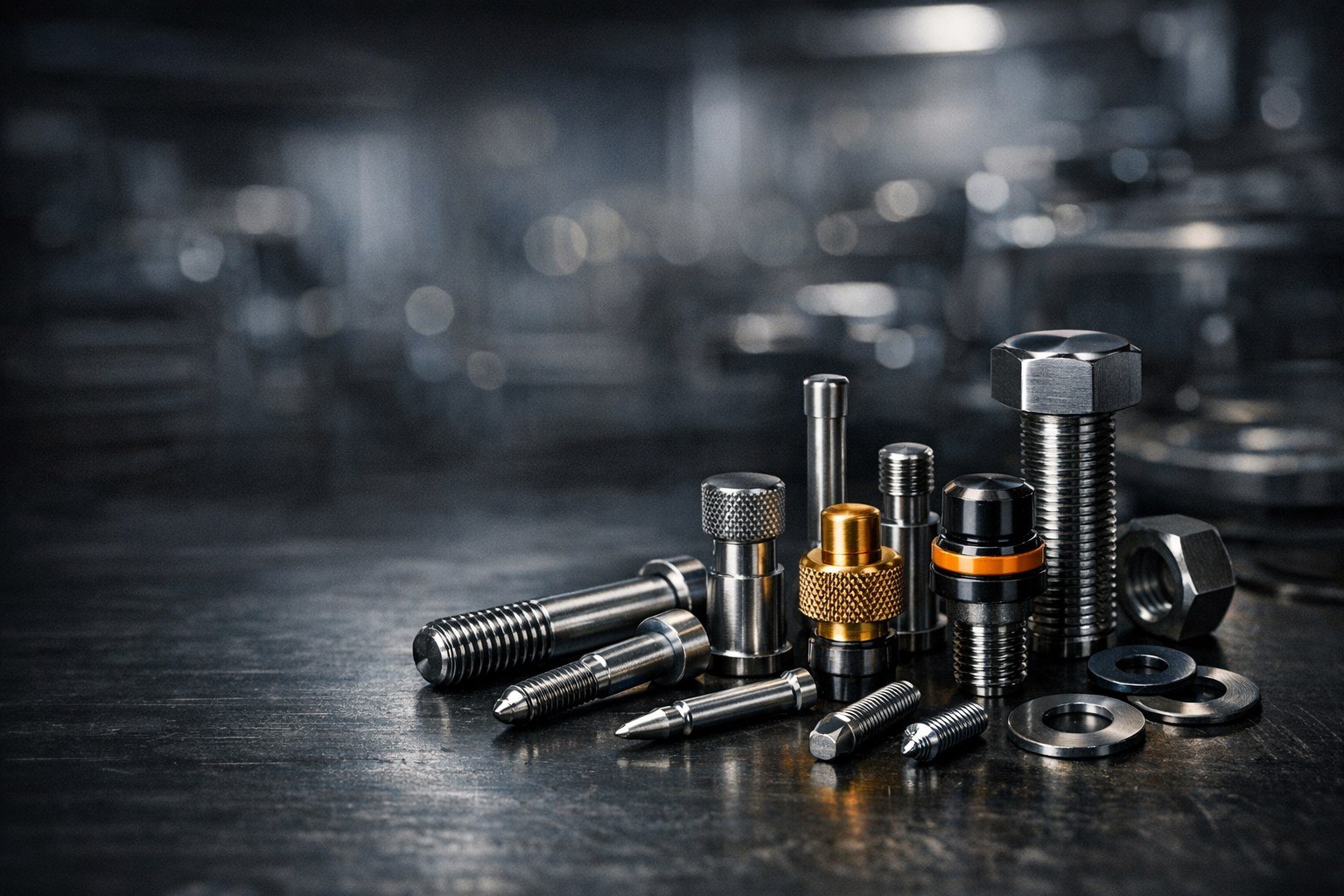
Use custom fasteners when a standard catalog part cannot resolve the thread, drive, finish, or geometry needs of the assembly.
Complex small parts
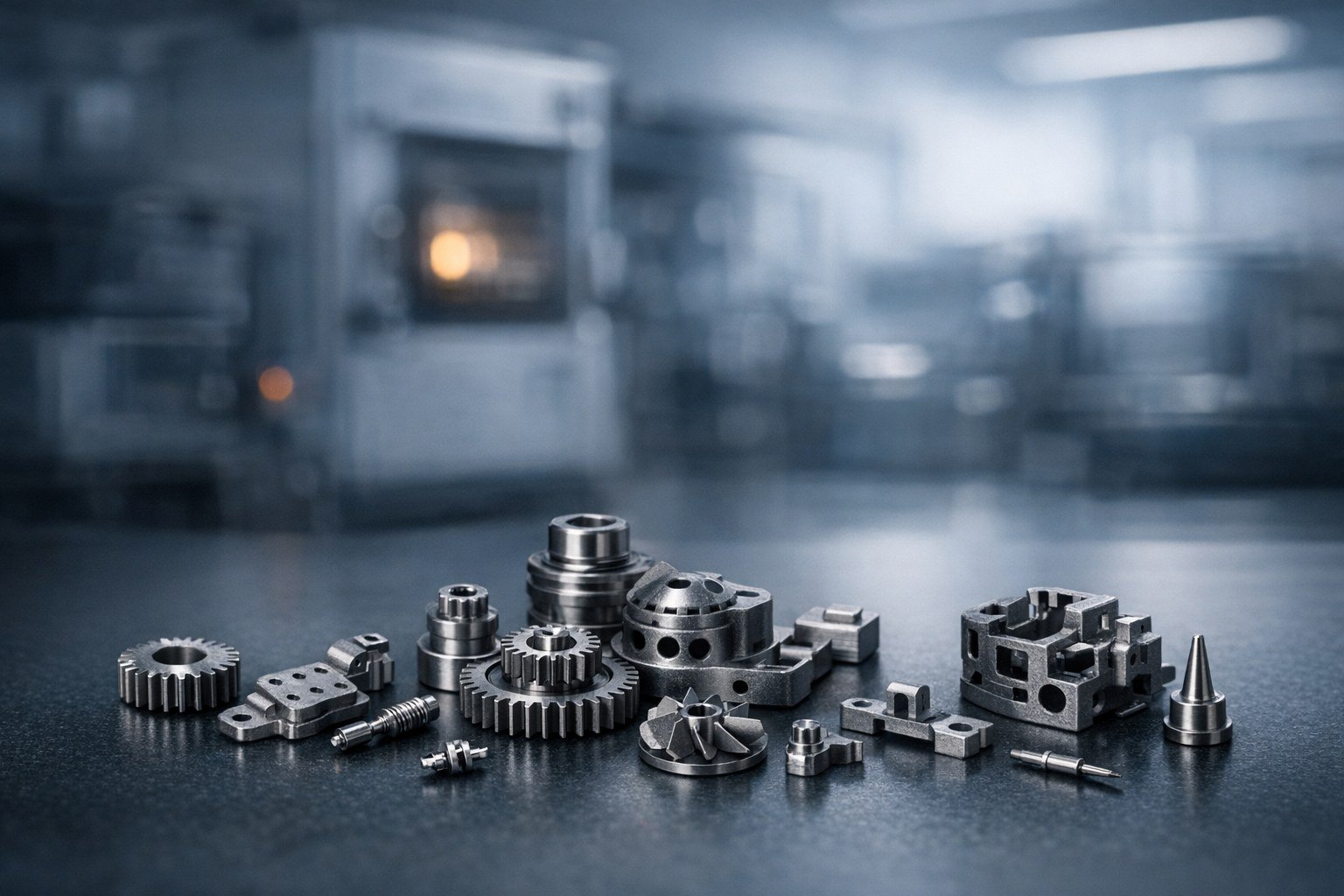
Use MIM when a small metal component is geometry-dense enough that machining is inefficient and the program is likely to scale.